Choosing a Meteorology Program
Selecting the right college meteorology program is one of the most important decisions you'll make as an aspiring broadcast meteorologist. The curriculum, faculty, hands-on opportunities, and alumni network all shape your readiness for that first on-air job. This page highlights what to look for and spotlights one program that has produced many successful broadcasters.
Choosing the right meteorology program is a foundational step for any aspiring broadcast meteorologist. The curriculum should balance rigorous atmospheric science with practical communication training, ensuring you graduate ready to translate complex weather data into clear, engaging on-air presentations. Look for programs that offer hands-on experience with forecasting tools, studio production, and real-time weather analysis. Faculty with industry experience can provide invaluable mentorship, while a strong alumni network often opens doors to internships and first jobs. Visiting campuses, sitting in on classes, and talking to current students can help you determine which program's culture and resources align best with your career goals.
Hands-on experience is arguably the most critical component of a meteorology education. The best programs provide opportunities to practice forecasting daily, produce weathercasts in a studio setting, and even cover live severe weather events under supervision. Student-run weather centers and campus television stations offer real-world reps that build confidence and technical skill long before graduation. These experiences also help you develop a demo reel that showcases your on-air presence, graphics proficiency, and ability to communicate under pressure. Employers consistently rank practical experience alongside academic credentials when evaluating entry-level candidates, making these opportunities essential for career readiness.
Beyond the classroom, broadcast meteorology students should actively cultivate skills in digital media and graphics production. Modern weather presentations rely heavily on software for radar visualization, 3D graphics, and social media engagement. Familiarity with industry-standard tools and a willingness to learn emerging technologies can set you apart in a competitive job market. Additionally, building a professional network through conferences, internships, and online communities can lead to mentorship and job leads. Many successful broadcasters credit their career trajectory to connections made during college, whether through a professor's recommendation or a peer's referral to an open position in a small market.
The transition from student to professional broadcast meteorologist requires intentional preparation. Your demo reel should be polished and representative of your best work, typically featuring a mix of severe weather coverage, daily forecasts, and live ad-lib segments. Researching target markets and tailoring your application materials to each station's format and audience demonstrates genuine interest. Entry-level positions often begin in smaller markets, where the workload is demanding but the experience is unmatched. Patience, persistence, and a willingness to start anywhere are essential traits. The meteorologists who thrive are those who remain curious, continue learning, and adapt to the ever-evolving landscape of broadcast weather.
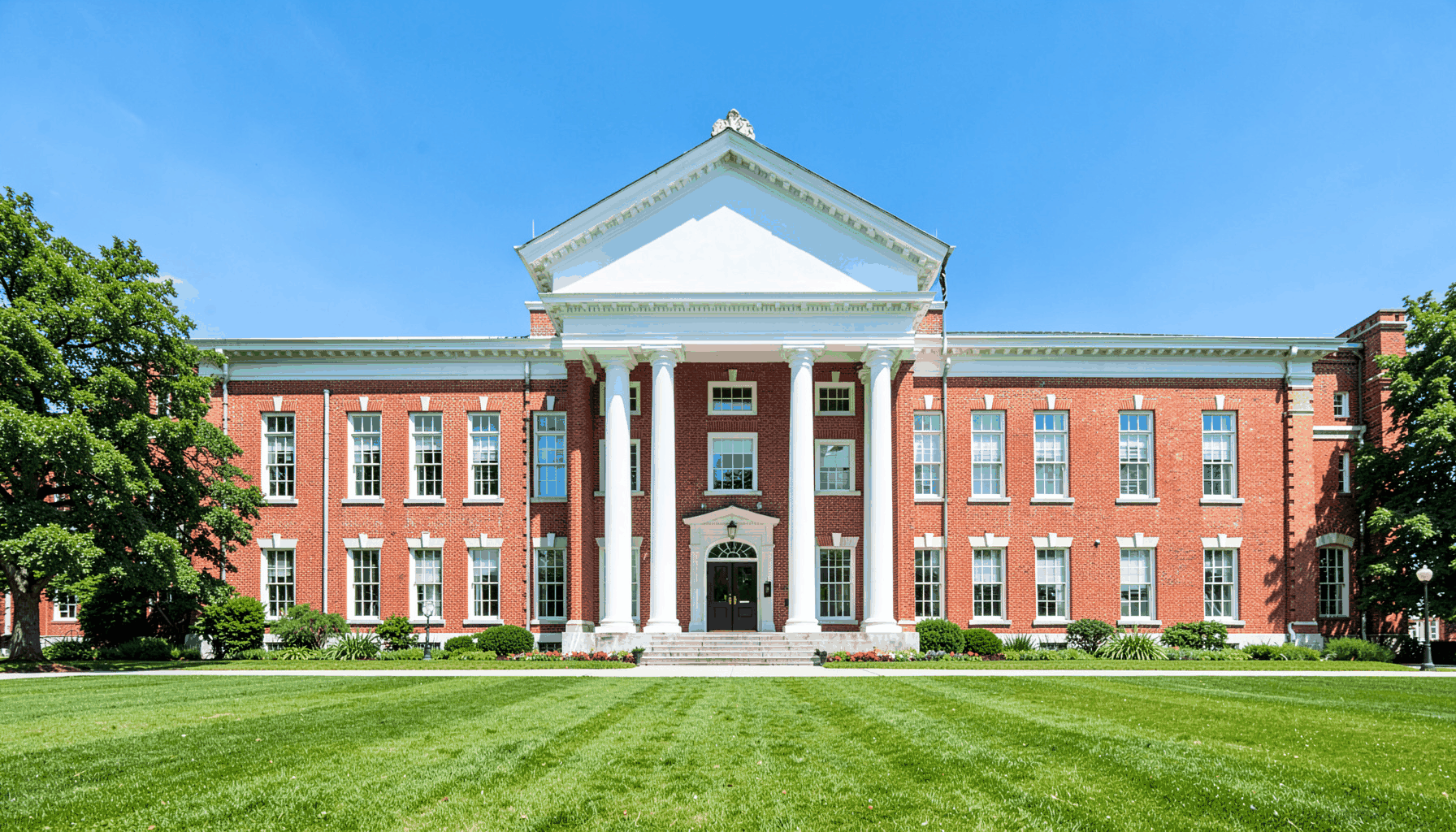
Lyndon State College
Lyndon State College, located in Vermont's Northeast Kingdom, has built a strong reputation for its atmospheric sciences program. The program emphasizes practical, hands-on training — students operate a campus television studio, produce weather segments, and gain real on-camera experience well before graduation. Dan Dowling, an adjunct professor of broadcast meteorology at Lyndon State, brings direct industry perspective from his work at WCAX, a local CBS affiliate.
Hands-On Studio Experience
Students at Lyndon State get early access to broadcast equipment and a working TV studio, building comfort in front of the camera and behind the scenes — skills that directly translate to the newsroom.
Industry-Connected Faculty
Faculty members with active ties to television news bring current, real-world knowledge into the classroom. Guest lectures and mentorship from working broadcasters help bridge the gap between academics and the job market.
Strong Alumni Network
Graduates of the program have gone on to on-air positions in markets across the country. Alumni often return to share advice, review demo tapes, and help current students navigate the job hunt.
Questions to Ask During a Campus Visit
When you tour a meteorology program, go beyond the brochure. Asking the right questions can reveal whether a school truly prepares students for broadcast careers. Here are some to bring along:
- Does the program have a dedicated broadcast studio for student use?
- How many faculty members have professional TV news experience?
- What opportunities exist for on-air practice before senior year?
- Where have recent graduates landed their first jobs?
- Are there formal internship partnerships with local TV stations?
- Can I see a sample student weather demo reel?
Alumni Success Stories
Lyndon State graduates have built careers in broadcast meteorology across the United States. In 2012, Lyndon State meteorologist Chelsea Ingram was named Miss Vermont — a testament to the well-rounded talent the program develops. Alumni like Mike Lichniak and Ian Oliver have shared job-hunting strategies and tips for making a strong start in a new market.
Meet the Alumni