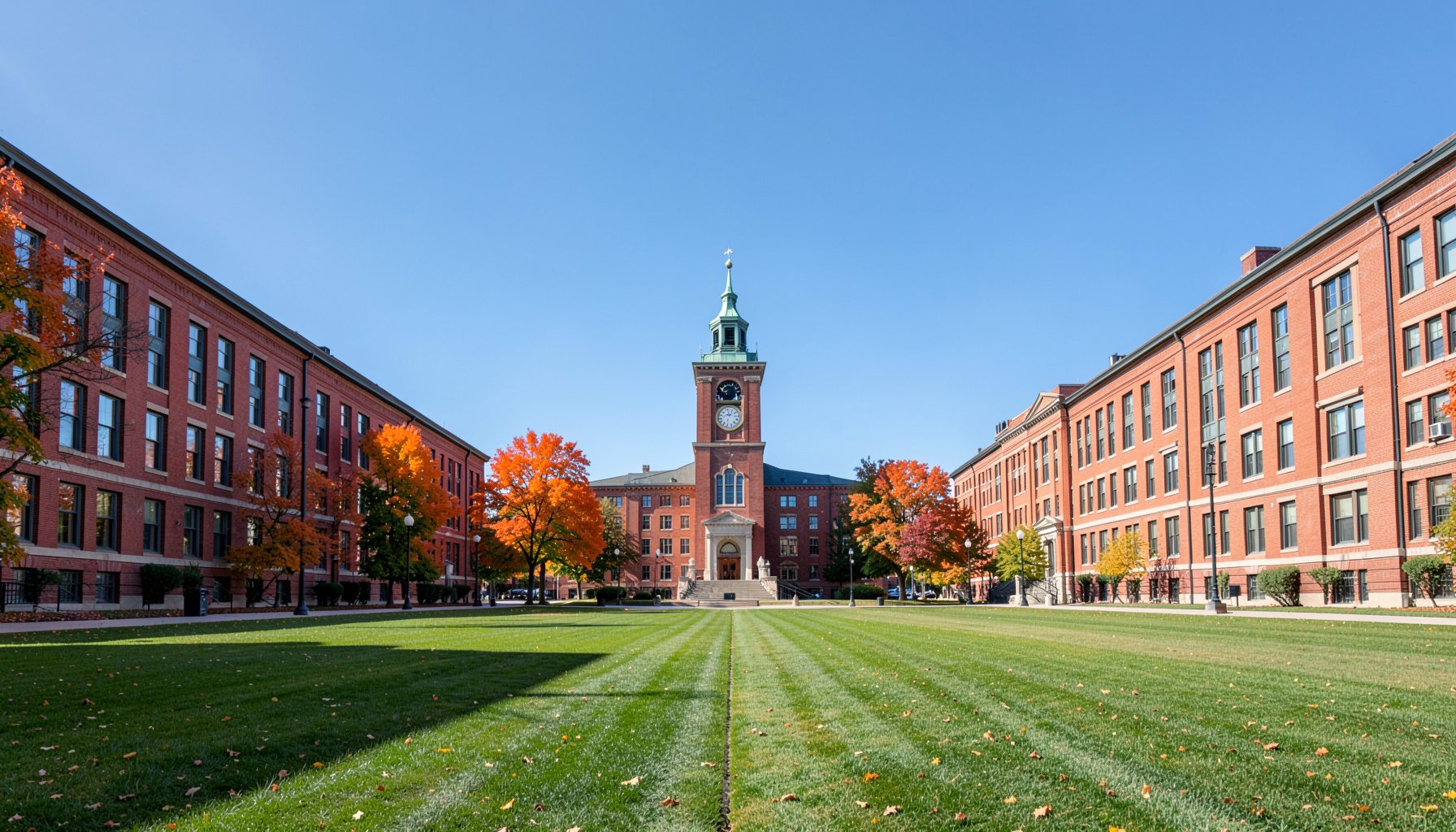
Lyndon State College has produced many successful broadcast meteorologists. Here, alumni share their experiences and practical advice for those just starting out in the industry.
Mike Lichniak
Broadcast Meteorologist
Mike shared his job-hunting tips for aspiring broadcast meteorologists entering the competitive television market. His advice focuses on persistence, preparation, and making the most of every opportunity.
- Tailor your resume tape to each specific market.
- Follow up with news directors after submitting materials.
- Be willing to start in a smaller market to build experience.
Ian Oliver
Broadcast Meteorologist
Ian offered guidance on getting a great start when you land in a new market. His insights help newcomers navigate the early days of a first or second job with confidence.
- Learn the local geography and weather patterns quickly.
- Build relationships with your news team from day one.
- Seek feedback on your on-air performance regularly.
Chelsea Ingram
Lyndon State Meteorologist
In 2012, Chelsea Ingram was named Miss Vermont, representing the state and showcasing the talent emerging from Lyndon State's meteorology program. Her achievement brought recognition to both the college and the field.
More Alumni Success Stories
Lyndon State graduates have gone on to work at television stations across the country. From small-market weekend shifts to major-network affiliates, the program has a strong track record of placing talented meteorologists in rewarding broadcast careers.
Breaking into broadcast meteorology requires more than a degree—it demands a willingness to learn continuously and adapt to a fast-changing industry. Many successful meteorologists started in small markets, building their skills one weathercast at a time. The key is to treat every opportunity, no matter how small, as a stepping stone. Entry-level positions often involve early mornings, late nights, and a steep learning curve, but those who persist develop the instincts and on-air presence that news directors look for. The field rewards patience, preparation, and a genuine passion for weather storytelling.
A strong demo tape remains one of the most important tools for landing that first job in television. It should showcase your ability to communicate weather information clearly and with confidence. Rather than trying to impress with flashy graphics, focus on your delivery, your explanation of the forecast, and your connection to the camera. Tailor each tape to the specific market you are applying to, highlighting relevant local weather patterns. News directors watch for personality, clarity, and the ability to simplify complex meteorological concepts for a general audience.
Building a professional network is just as critical as building your technical skills. Many broadcast meteorologists find their first jobs through connections made at conferences, through alumni networks, or by engaging with industry professionals on social media. Following meteorologists whose work you admire, asking thoughtful questions, and staying active in online weather communities can open doors that a resume alone cannot. The broadcast meteorology community is relatively small, and a reputation for being prepared, professional, and easy to work with travels quickly.
The transition from college classroom to television studio involves learning skills not always taught in meteorology courses. On-camera presence, conversational writing, and the ability to ad-lib during breaking weather events all come with practice. Many entry-level meteorologists find it helpful to practice their weathercasts in front of friends or a mirror, timing their delivery and refining their explanations. Studios today also expect familiarity with weather graphics systems and social media integration. The most successful newcomers are those who embrace every aspect of the job, from forecasting to community engagement.
Explore Meteorology Programs
Learn more about the Lyndon State College meteorology program and how it prepares students for broadcast careers.
View Programs